


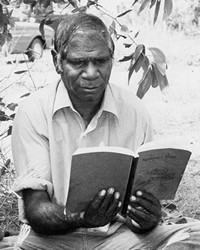

The Walmajarri people (also spelled Walmatjari or Walmajarri) are an Aboriginal Australian ethnic group from the Great Sandy Desert and Kimberley regions of Western Australia. Traditionally, they lived in desert environments characterized by seasonal movement, strong kinship systems, and deep knowledge of water sources and survival in arid lands. Their language, Walmajarri, belongs to the Pama–Nyungan language family.
For thousands of years, the Walmajarri maintained a semi-nomadic lifestyle based on hunting, gathering, and ceremonial life. Their society was structured around clan relationships, oral traditions, and Dreaming stories that connected people to the land and ancestral beings. Knowledge of the desert environment was carefully passed down through generations.
During the 20th century, many Walmajarri people were displaced from traditional lands due to cattle stations, government relocation policies, and mission settlements. These changes disrupted traditional ways of life, though many Walmajarri communities have worked hard to preserve language, ceremony, and cultural identity despite historical challenges.
Today, Walmajarri people live in communities throughout the Kimberley region and nearby towns, while some also reside in urban areas. Daily life often blends traditional cultural practices with modern Australian society. Art, storytelling, music, hunting, and community gatherings remain important expressions of identity and continuity.
Employment opportunities can be limited in remote communities, and many families face challenges related to housing, healthcare access, and economic development. Some individuals work in education, cultural preservation programs, local government, or the arts sector, where Aboriginal artwork and cultural knowledge are highly valued.
Family and kinship remain central to Walmajarri social life. Elders play a key role in teaching language, Dreaming stories, and traditional law. Younger generations increasingly interact with mainstream Australian culture through schools, technology, and travel, making cultural preservation efforts especially important.
Traditionally, Walmajarri spirituality centered on the Dreaming, the sacred framework that explains creation, morality, land ownership, and ancestral relationships. Ceremonies, sacred sites, songs, and oral traditions connected people to the spiritual world and reinforced social responsibilities within the community.
Christianity was introduced through missions and church outreach during the 20th century. Today, many Walmajarri people identify as Christian, and churches are active in several communities. Christian worship is often expressed through Indigenous music, storytelling, and strong communal participation.
For many Walmajarri believers, Christian faith exists alongside respect for traditional culture and identity. Indigenous cultural values—such as respect for elders, community relationships, and connection to the land—continue to influence daily life and spiritual expression.
Walmajarri communities face economic difficulties related to remoteness, unemployment, and limited infrastructure. Expanding sustainable economic opportunities, education, and community-led development initiatives would strengthen long-term stability and well-being.
Preserving the Walmajarri language and traditional knowledge is an important concern as younger generations are increasingly influenced by English-speaking culture. Programs supporting language revitalization, youth mentorship, education, and healthcare are essential for community strength and continuity.
The Walmajarri people already have a meaningful Christian witness within many communities. Continued discipleship, Indigenous leadership training, and biblical teaching in culturally relevant forms are important for strengthening the church. Walmajarri believers also have an opportunity to share the gospel with neighboring Aboriginal groups and broader Australian society.
Pray that Walmajarri believers would grow in spiritual maturity and biblical understanding, becoming strong disciples of Christ in their communities.
Pray for Indigenous pastors, elders, and Christian leaders, that they would faithfully disciple younger generations and guide churches wisely.
Pray that Walmajarri churches would become a gospel witness to other Aboriginal peoples across Australia, sharing Christ through Indigenous culture and relationships.
Pray that God would use Walmajarri language, storytelling, art, and community traditions as bridges for the gospel, strengthening both faith and cultural identity.
Scripture Prayers for the Walmatjari in Australia.
https://en.wikipedia.org/wiki/Walmajarri
https://en.wikipedia.org/wiki/Walmajarri_language
https://collection.aiatsis.gov.au/austlang/language/a66
https://www.aiatsis.gov.au/explore/australias-first-peoples
https://www.ethnologue.com/language/wmt/
| Profile Source: Joshua Project |


